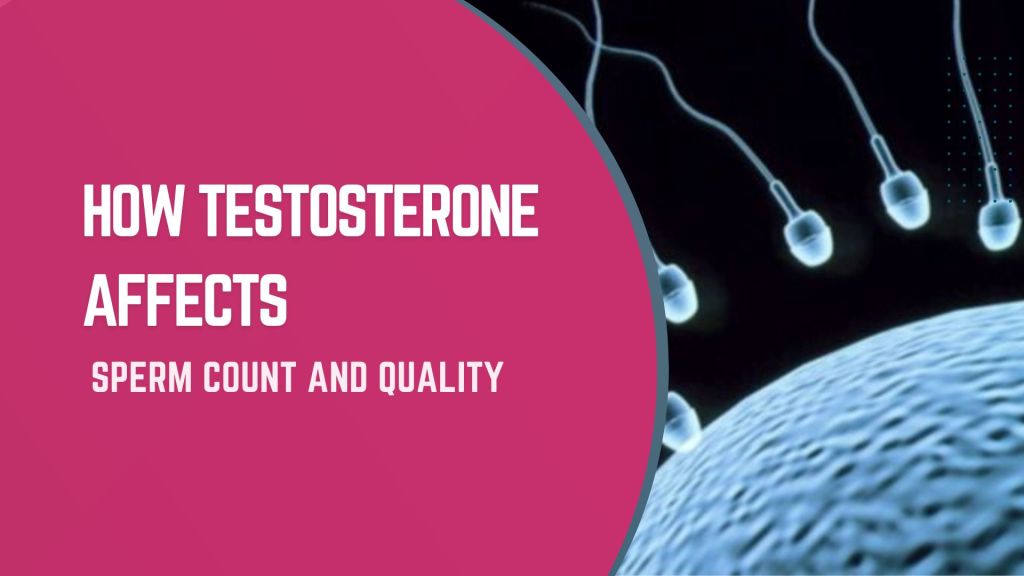
When it comes to male fertility, many people assume testosterone is the main player behind everything—from sperm production to sexual performance. It’s a common belief that “more testosterone” means “more fertility.” But here’s the surprising truth: too much or too little testosterone can actually harm sperm health.
At Urvara Fertility Centre, we often meet men who are doing their best to boost fertility—hitting the gym, eating better, even taking supplements—without realizing that the wrong kind of testosterone boost can backfire. Whether you’re planning for a family now or in the future, understanding how testosterone truly affects sperm count and quality is a crucial first step.
In this blog, we’ll explore the real relationship between testosterone and fertility, clear up common myths, and help you understand what really matters when it comes to healthy sperm and hormone balance.
What Is Testosterone?
Testosterone is a hormone made mainly in the testicles. It helps with many things in the male body, such as:
- Building muscles
- Growing body and facial hair
- Deepening the voice during puberty
- Boosting sex drive (libido)
- Helping with sperm production
So yes, testosterone is important for making sperm. But here’s the tricky part: the amount and the way your body uses it is what truly matters.
How Sperm Is Made
Let’s keep this simple. Inside your testicles, tiny factories called seminiferous tubules work to create sperm. These factories are managed by special brain signals and hormones.
Two main hormones help with sperm-making:
- FSH (Follicle-Stimulating Hormone) – This helps the sperm-producing cells grow.
- LH (Luteinizing Hormone) – This tells your testicles to make testosterone.
When your hormones are balanced, your body can make good quality sperm. But when something goes wrong—like too much testosterone from outside sources—your natural system can get confused and stop producing sperm the right way.
Can Too Much Testosterone Be a Problem?
Yes, it can.
Here’s where things get a little surprising. Many men take testosterone supplements or use steroids thinking it will make them more “manly” or improve their fertility. But this often does the opposite.
When you take extra testosterone from outside your body (called exogenous testosterone), your brain thinks, “Oh, we have enough testosterone! Let’s stop making our own.”
That’s when the body slows down or even shuts off sperm production.
This is called testosterone-induced infertility, and it’s more common than you might think.
Signs Your Testosterone Might Be Affecting Your Fertility
If your testosterone levels are too low or too high, you might notice:
- Low sperm count or no sperm at all
- Erectile dysfunction
- Low sex drive
- Tiredness or lack of energy
- Mood changes or depression
- Trouble building muscle or losing fat
If you’re experiencing any of these signs, it’s important to get your hormone levels checked. You may also want to explore other reasons for fertility issues. Read this helpful article on the top reasons why your sperm count may be low or delayed (though written for periods, it also highlights hormonal imbalances common in both genders).
Testosterone and the Brain: It’s All About Balance
Your brain, specifically a part called the hypothalamus, controls your hormones like a master switchboard. It talks to your pituitary gland, which sends signals to your testicles.
This entire system is called the Hypothalamic-Pituitary-Gonadal (HPG) axis.
When everything is working properly:
- The brain tells your body to make testosterone
- Testosterone helps your body make sperm
- Sperm production continues in a healthy cycle
But when outside testosterone is added, your brain stops sending signals—and this whole process shuts down. This is why men who use anabolic steroids often experience infertility.
Quality vs. Quantity: What Matters More?
Sperm count (how many sperm you have) is important. But so is sperm quality, which includes:
- Motility – How well the sperm can swim
- Morphology – The shape and structure of sperm
- DNA health – Whether the sperm carries healthy genetic material
Testosterone affects all of these. Poor hormone balance can lead to sperm that don’t swim well or have abnormal shapes, which makes it harder to fertilize an egg.
For more about how irregular hormones affect fertility, check out this guide:
How irregular periods affect your chances of getting pregnant
Yes, it’s written about women, but it explains important hormonal connections that apply to men, too.
Can You Fix Testosterone-Related Fertility Issues?
The good news is: YES. Most testosterone-related sperm problems can be treated.
Here’s what you can do:
1. Stop Using Outside Testosterone
If you’re taking testosterone boosters, steroids, or muscle-enhancing injections—stop and talk to a doctor. Your body might be able to restart natural sperm production with time and help.
2. Get a Hormone Test
A simple blood test can check your testosterone, FSH, LH, and prolactin levels.
3. Improve Your Lifestyle
- Eat a balanced diet (rich in zinc, omega-3s, and vitamins)
- Get enough sleep
- Exercise moderately (not excessively)
- Avoid smoking and alcohol
- Reduce stress
4. See a Fertility Specialist
At Urvara Fertility Centre, we help men understand their hormone levels and offer treatments to improve sperm health naturally and safely.
If you’re ready to speak to someone about your fertility, we’re here for you. You can connect with us here.
What About Testosterone Replacement Therapy (TRT)?
Some men have a genuine medical condition called low testosterone (Low T). In such cases, doctors may suggest TRT (Testosterone Replacement Therapy). But be careful—this should always be done under a doctor’s supervision.
If you’re trying to have a baby, TRT is usually not recommended unless you’re also on treatment to protect sperm production (like HCG or clomiphene).
Final Thoughts from Urvara Fertility Centre
Testosterone is an important part of male health. But more isn’t always better. When it comes to sperm, the right balance of hormones is the key.
Whether you’re trying to start a family, improve your fertility, or simply take care of your health, understanding your testosterone levels is a smart first step.
At Urvara Fertility Centre, we offer gentle guidance, expert care, and full support to help you understand your hormones, improve sperm health, and build a healthy path toward fatherhood.
Ready to take charge of your fertility? Click here to get in touch with our team today.
 Urvara Fertility Centre
Leave a comment